
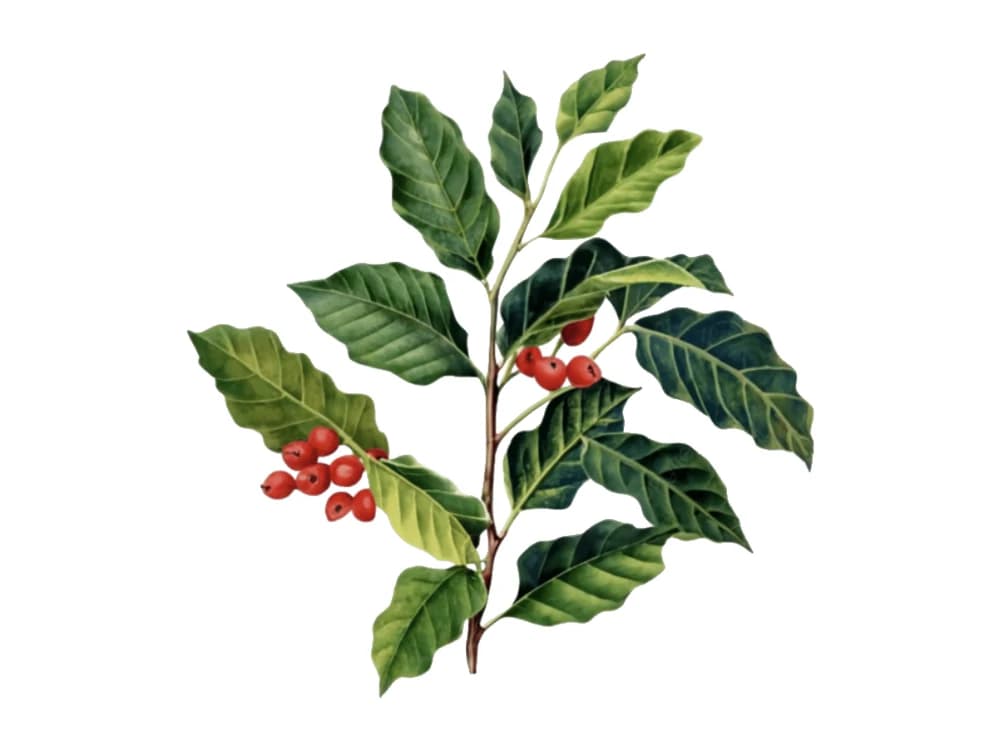
Coffee and pepper fed inorganically for years tend to end up dependent: the soil has lost most of its humus and microbial life, and the plant lives almost entirely on each round of applied fertiliser. Cut that off abruptly and there is no soil reserve to draw on; the loss shows up the same season.
Season one builds the base. Keep about 70% of the inorganic programme while adding organics at the start and the end of the rains. The goal this season is not more yield but more humus and a reopened structure that lets water through.
Season two is the transition. Bring inorganics down to roughly 40–50% and raise the organic share, with a humic drench to speed fine-root recovery. This is the season to watch closely: if leaf colour holds and internodes do not shorten, the soil has begun doing its share.
Season three closes it. By now most nutrition comes from the organic base and inorganics only top up at the stages that need it. Soil analyses at the start and end of the route are the only trustworthy evidence — the eye is easily fooled in a mature orchard.