
Twenty-two bags, three groups, one organic-matter scale
Every bag below carries figures read from the real label: organic matter, N-P-K, pack size and origin. Lines that have been declared for conformity show their standard and fertiliser code in full.
- bags
- 22
- Three product groups
- 3
- Organic matter
- 65–78%
- Pack size
- 1 – 25 kg
All products
22 bags · 3 groups · 1 – 25 kg packs
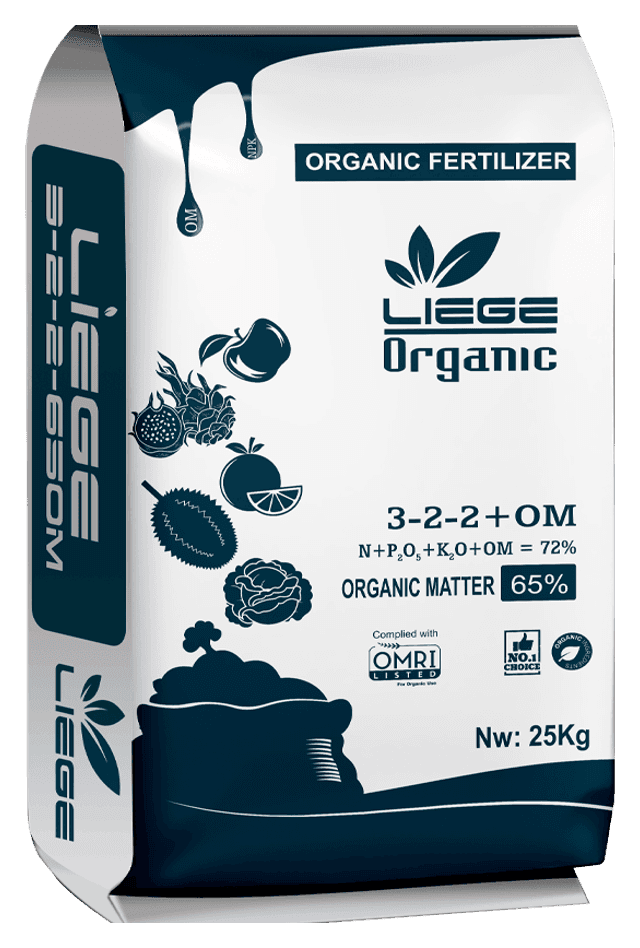 65% OM
LIEGE
Durian
N-P-K 3-2-2 · 25 kg
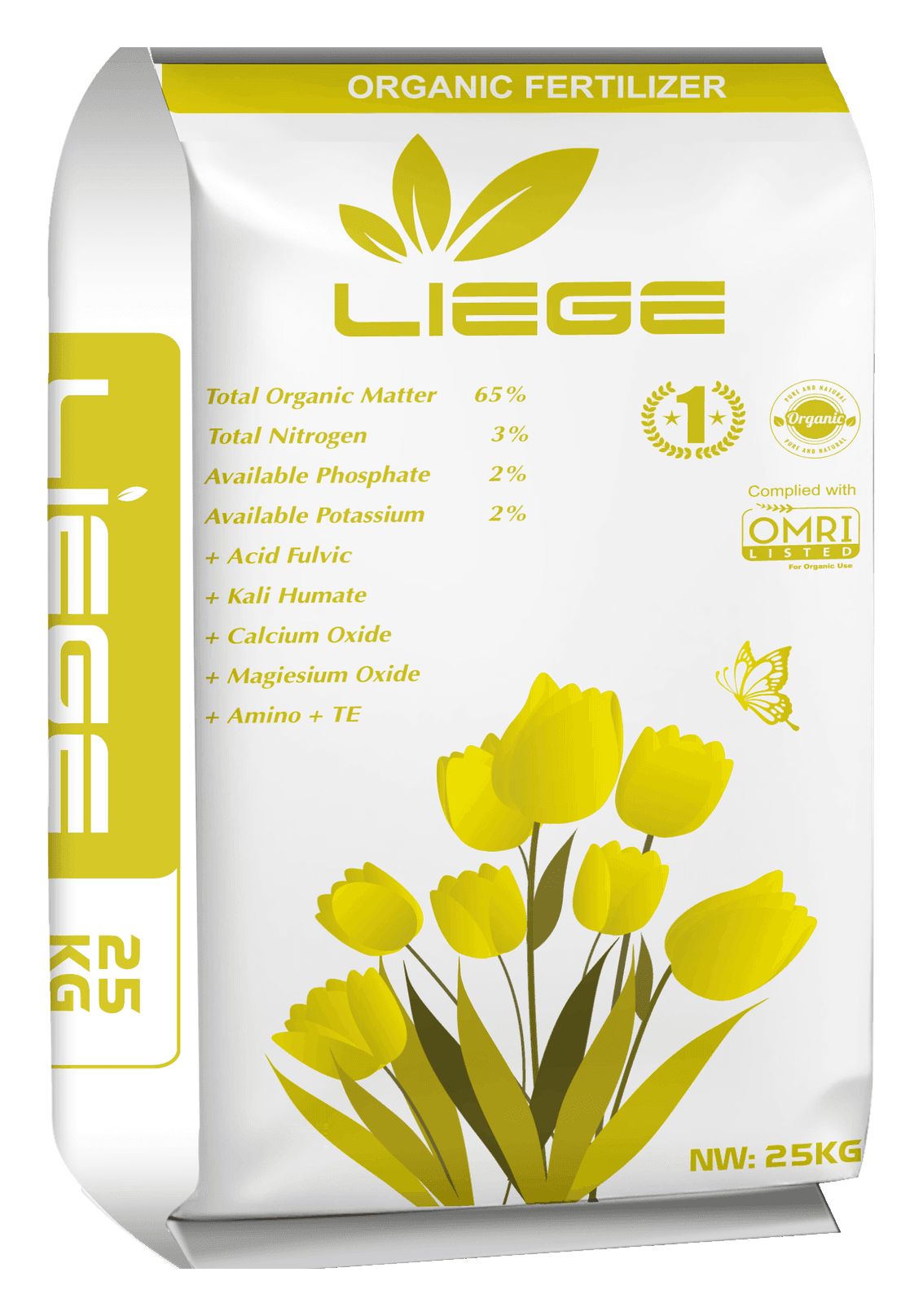 65% OM
LIEGE
Tulip
N-P-K 3-2-2 · 25 kg
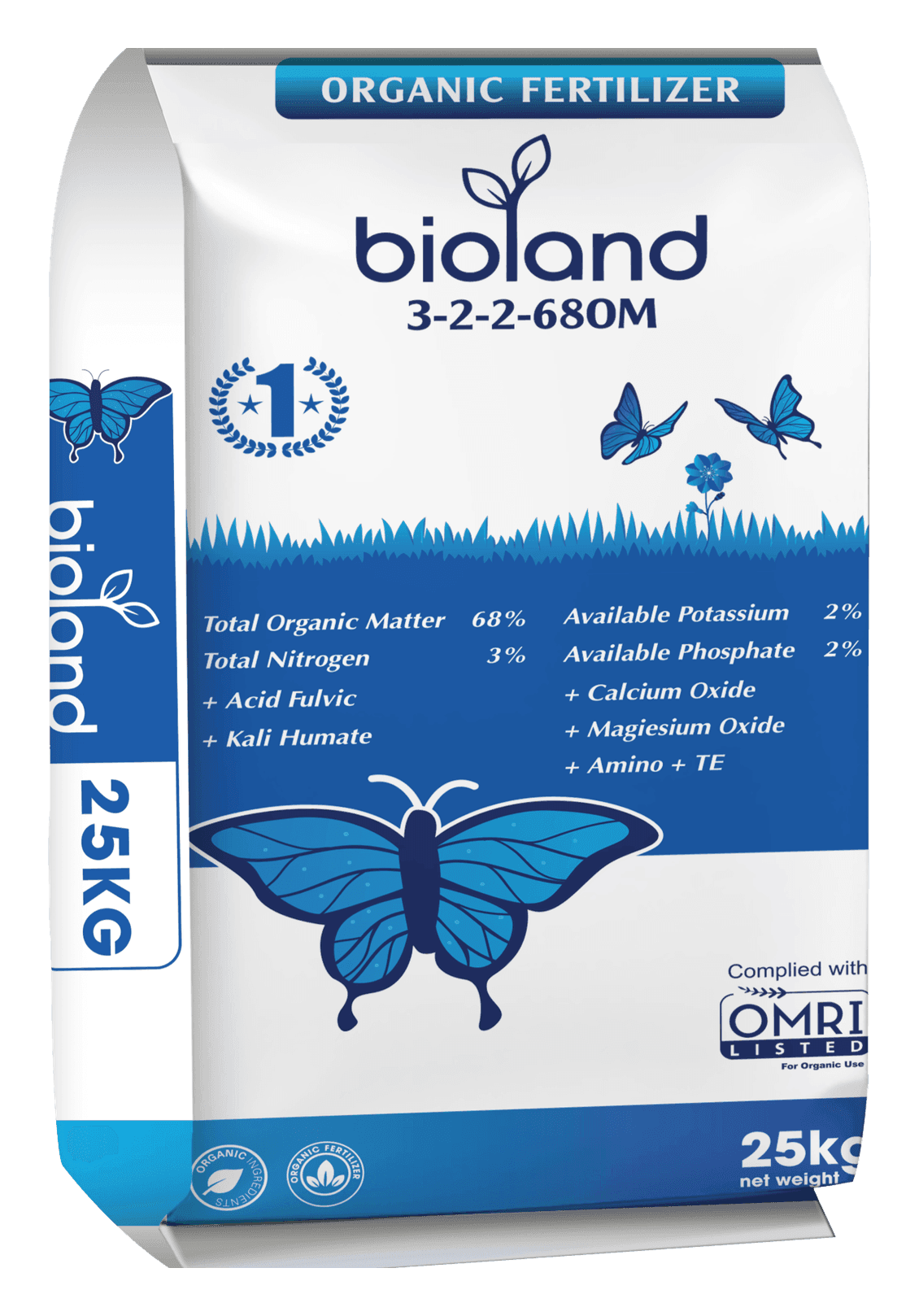 68% OM
BIOLAND
Blue Butterfly
N-P-K 3-2-2 · 25 kg
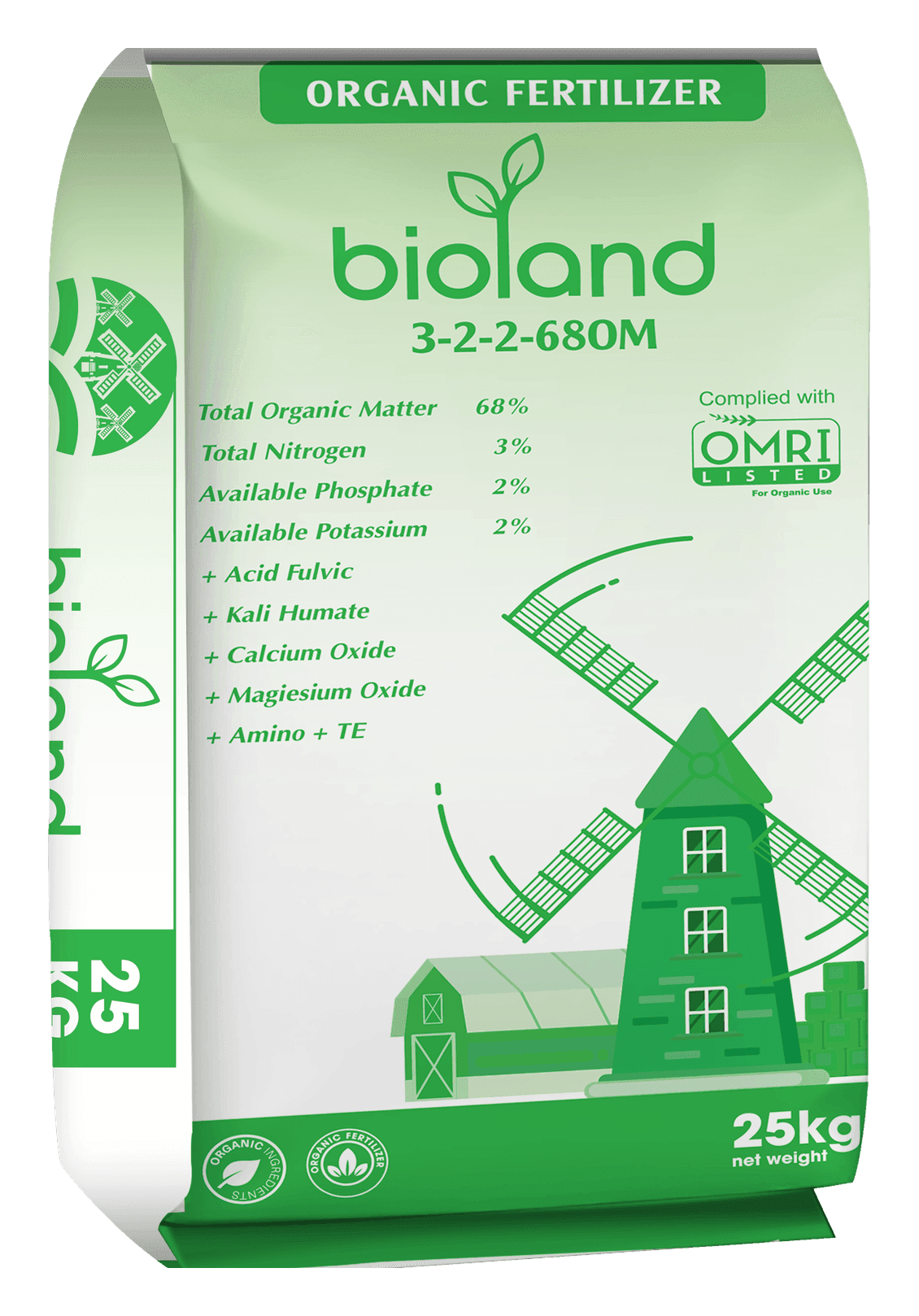 68% OM
BIOLAND
Windmill
N-P-K 3-2-2 · 25 kg
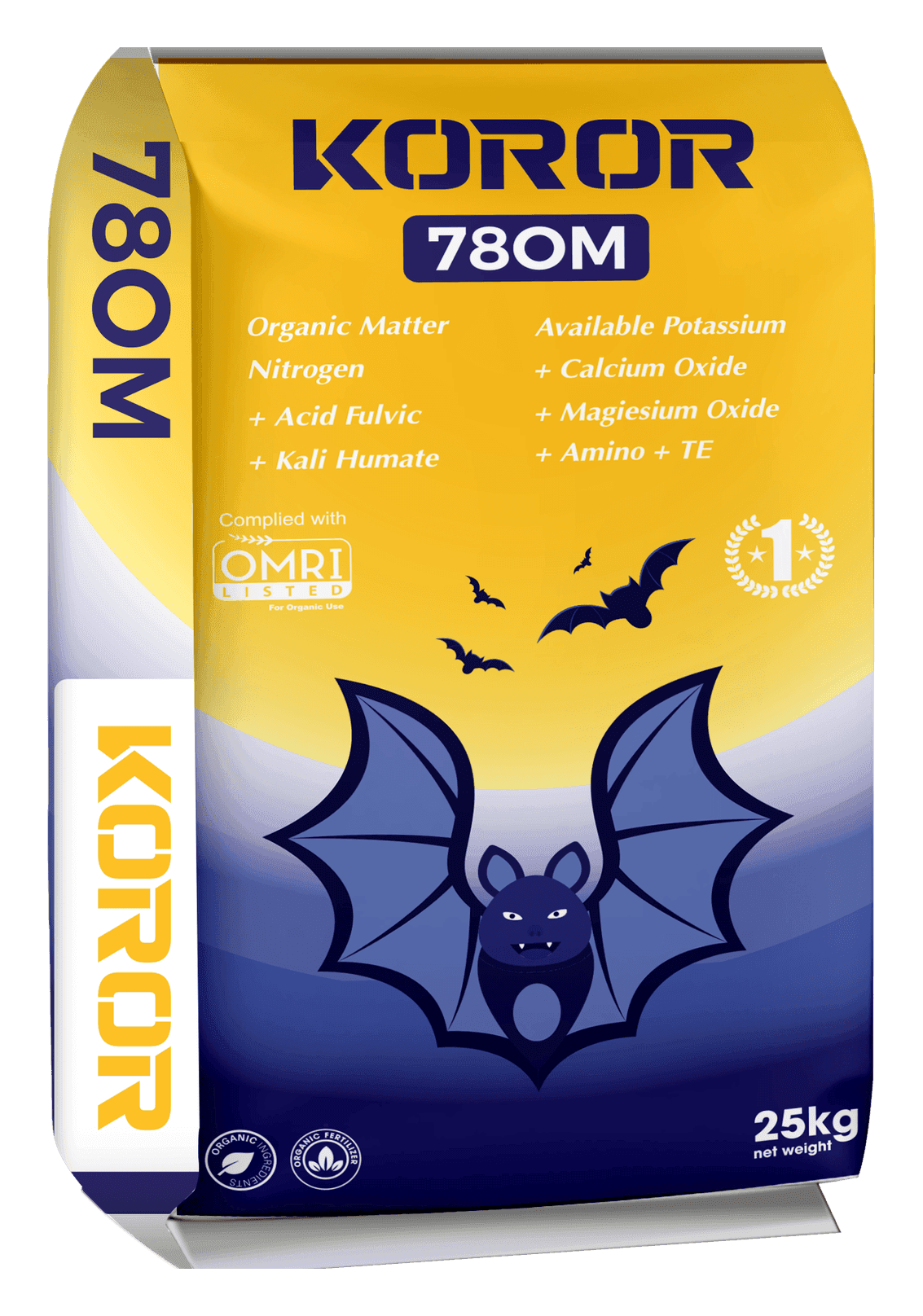 78% OM
KOROR
Bat
N-P-K 3-2-2,01 · 25 kg
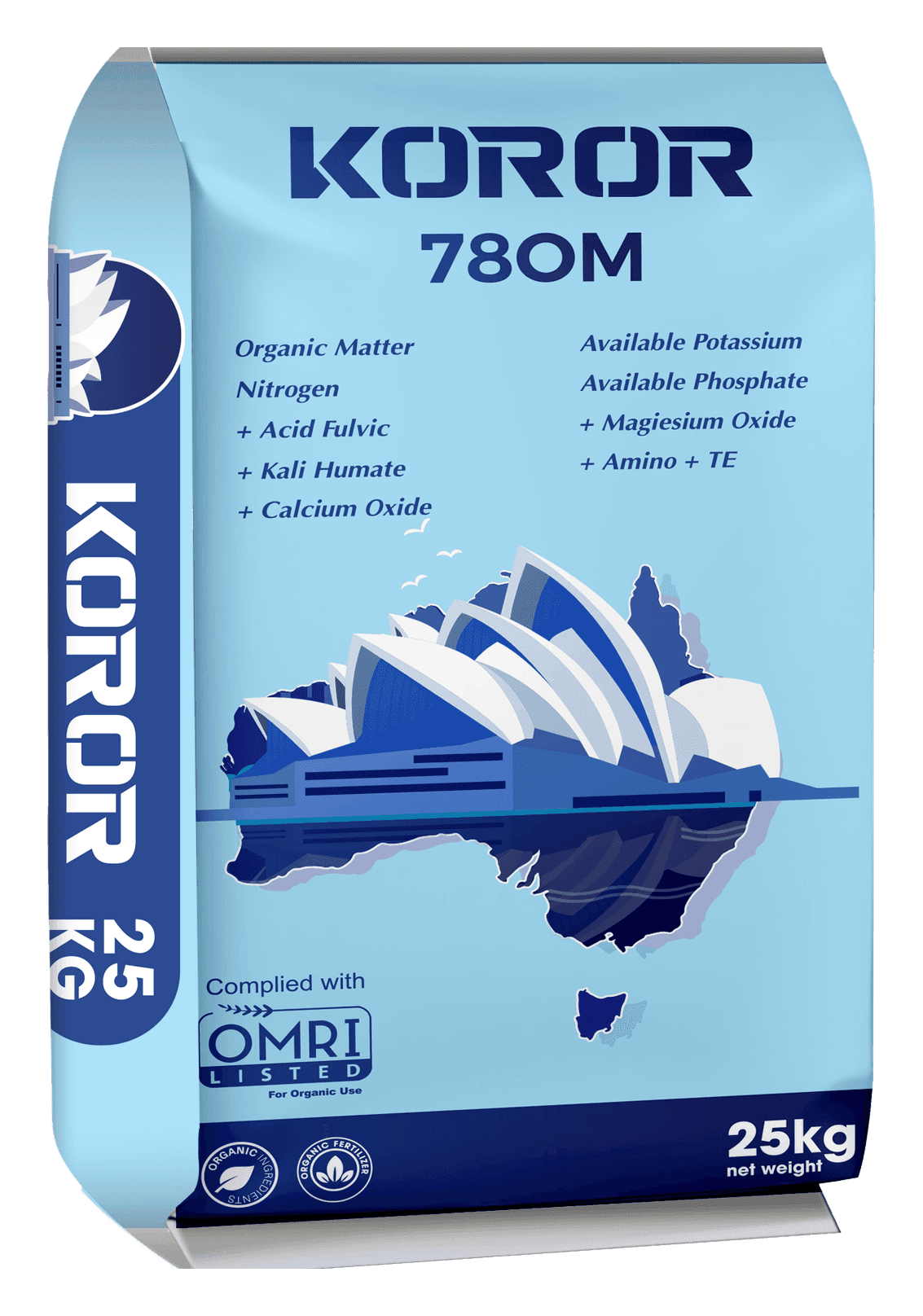 78% OM
KOROR
Opera House
N-P-K 3-2-2,01 · 25 kg
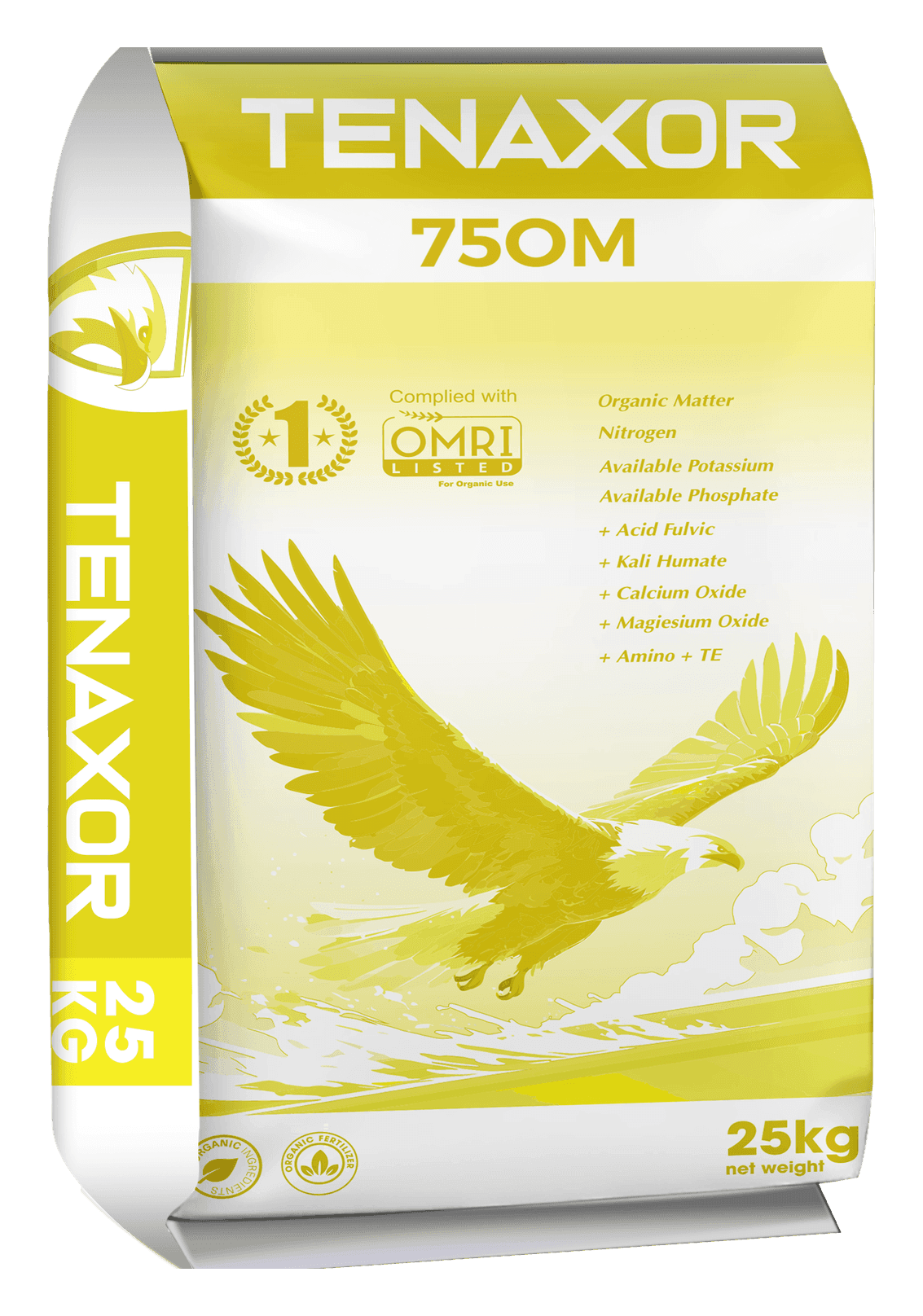 75% OM
TENAXOR
Eagle
N-P-K 3-0-1,5 · 25 kg
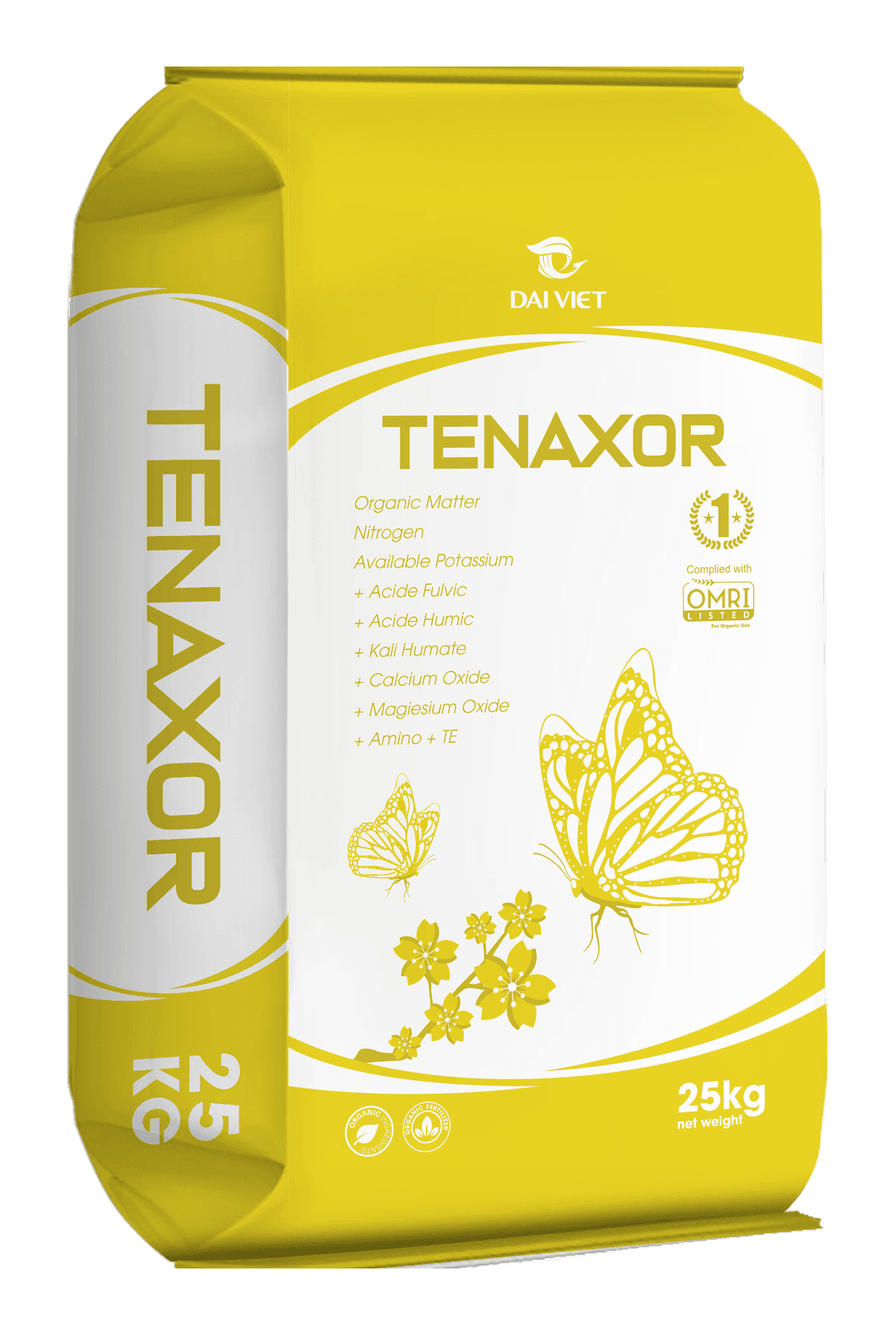 75% OM
TENAXOR
Yellow Butterfly
N-P-K 3-0-1,5 · 25 kg
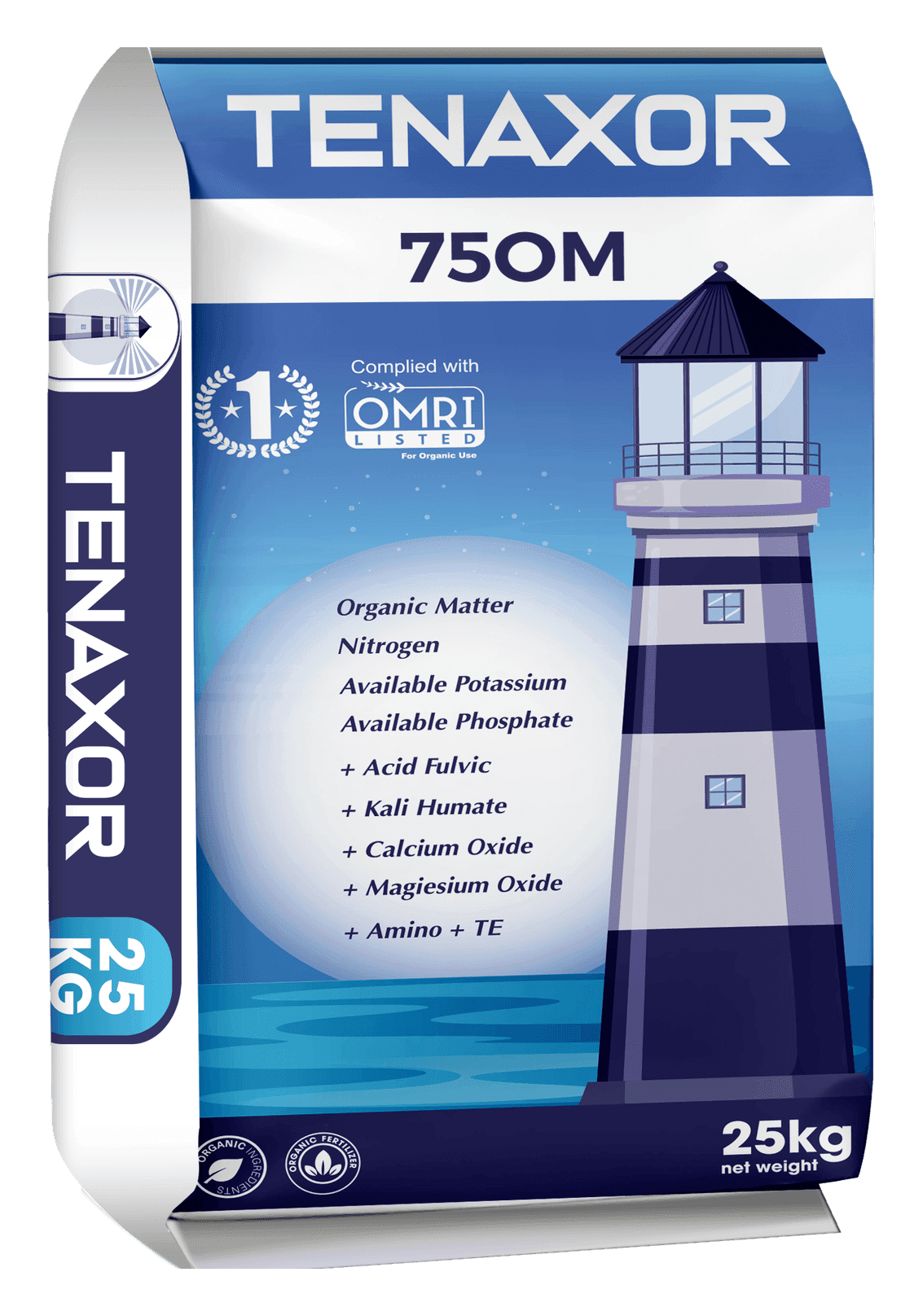 75% OM
TENAXOR
Lighthouse
N-P-K 3-0-1,5 · 25 kg
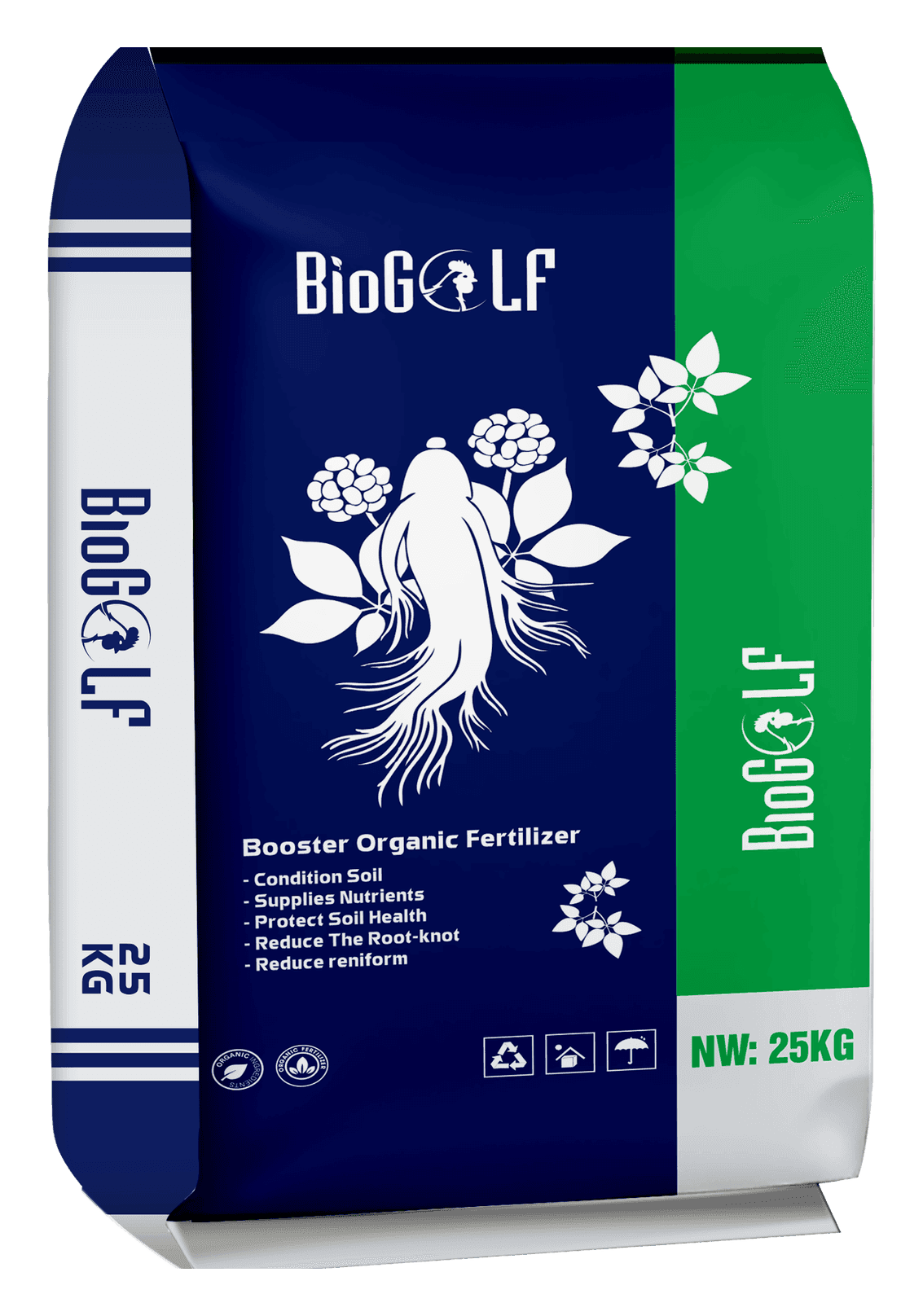
BIOGOLF
25 kg
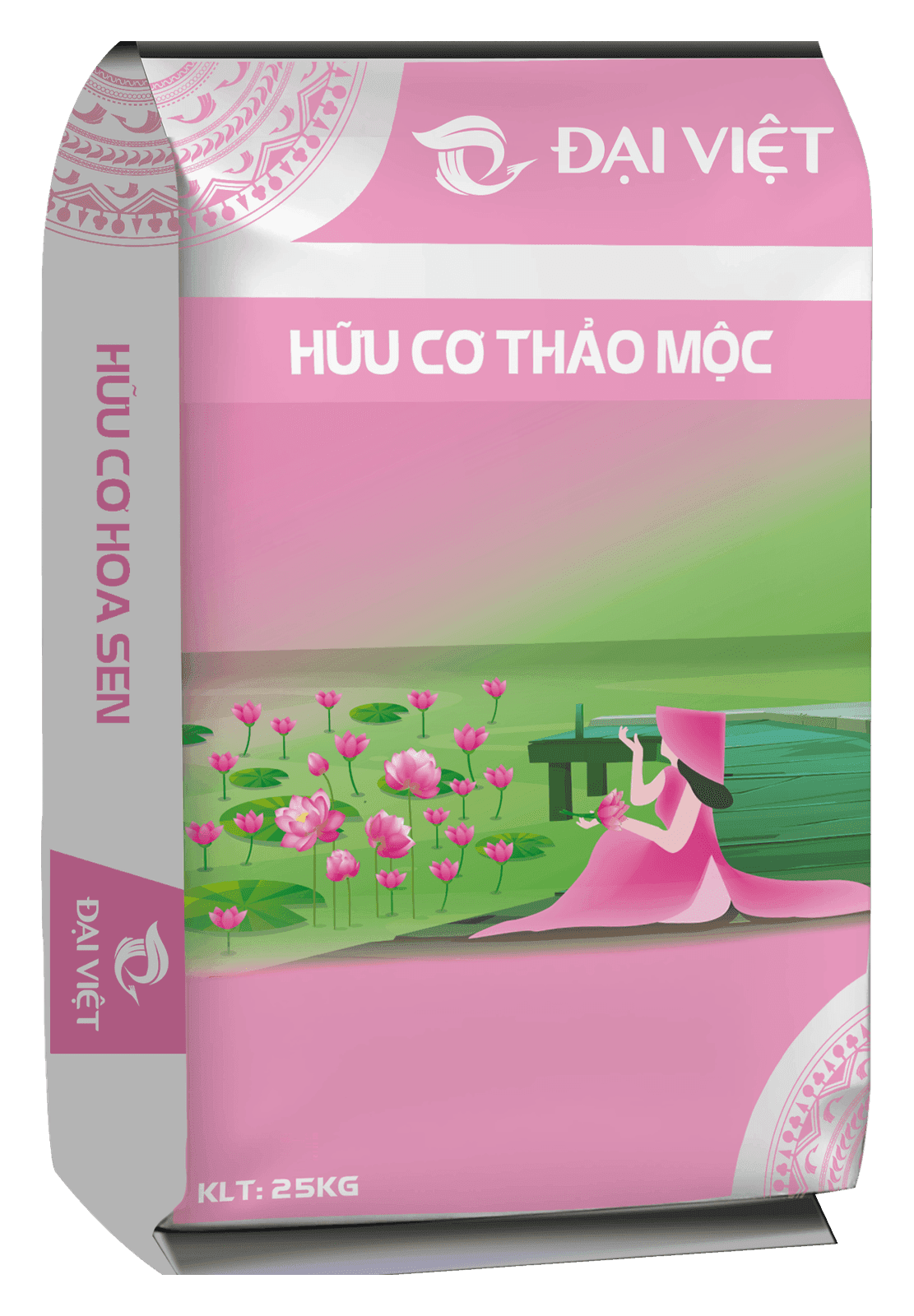
BIOLAND Hữu cơ Thảo Mộc
Lotus
25 kg
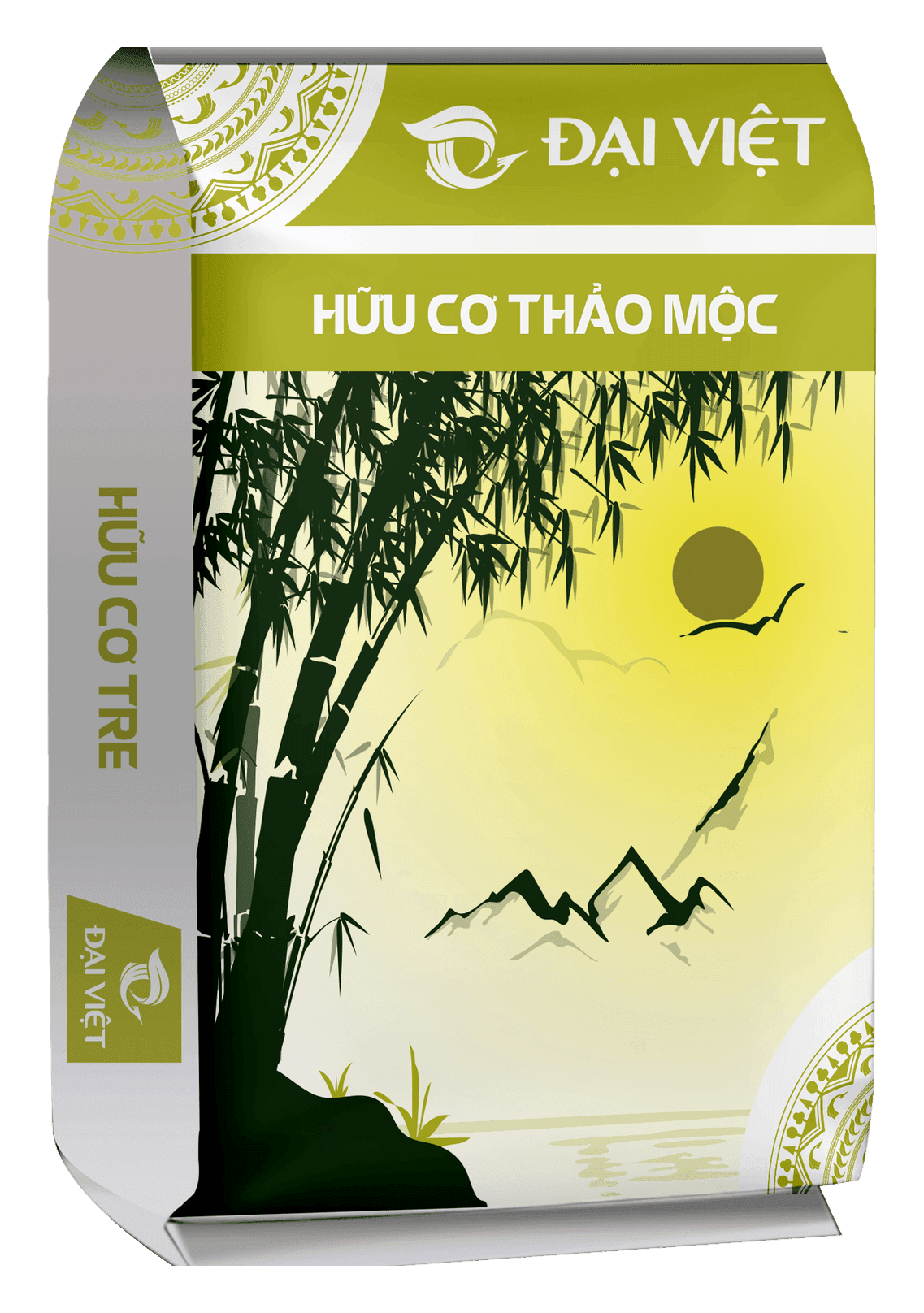
BIOLAND Hữu cơ Thảo Mộc
Bamboo
25 kg
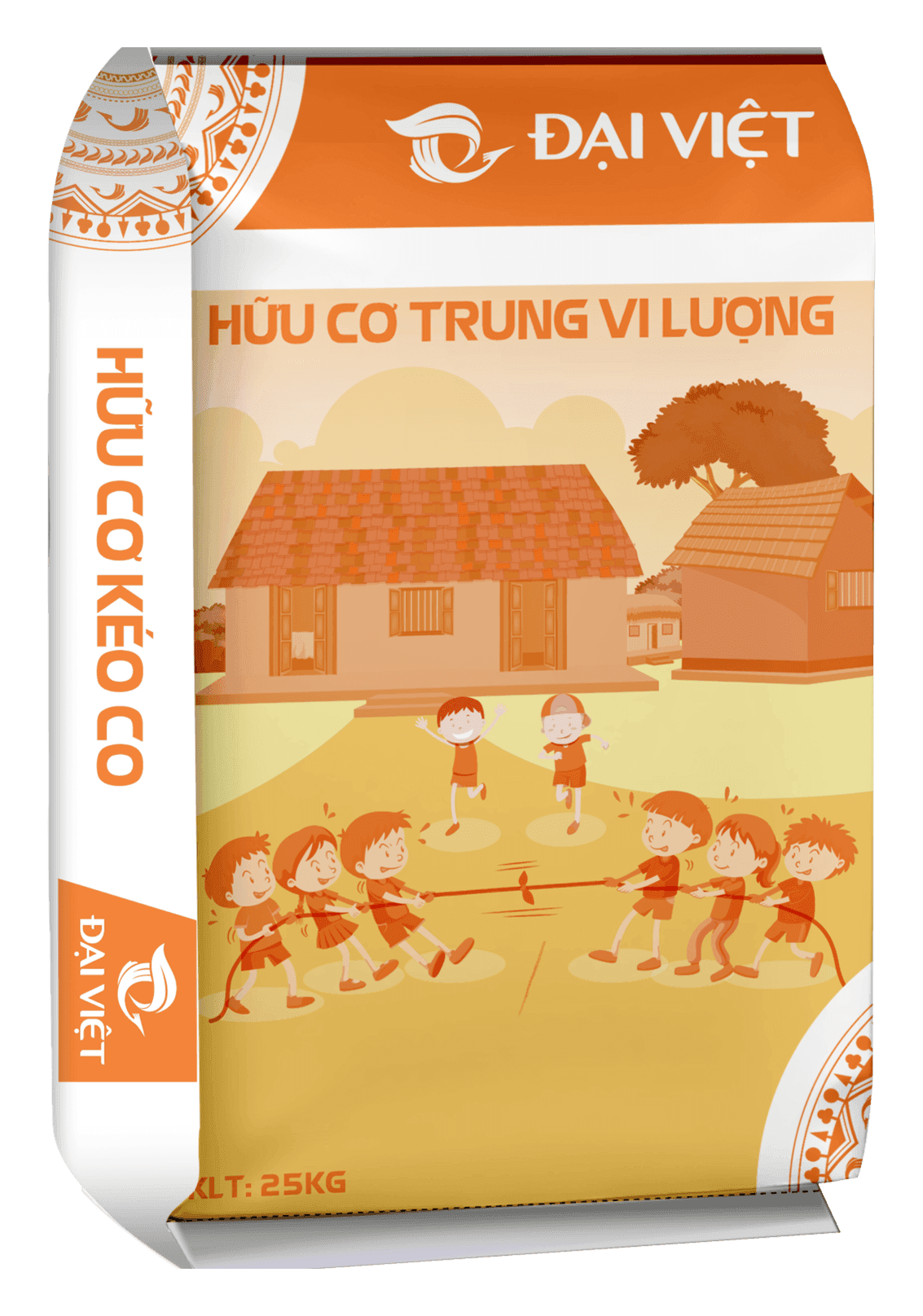
FUJOR TVL
Tug of War
25 kg

FUJOR TVL
Skipping Rope
25 kg
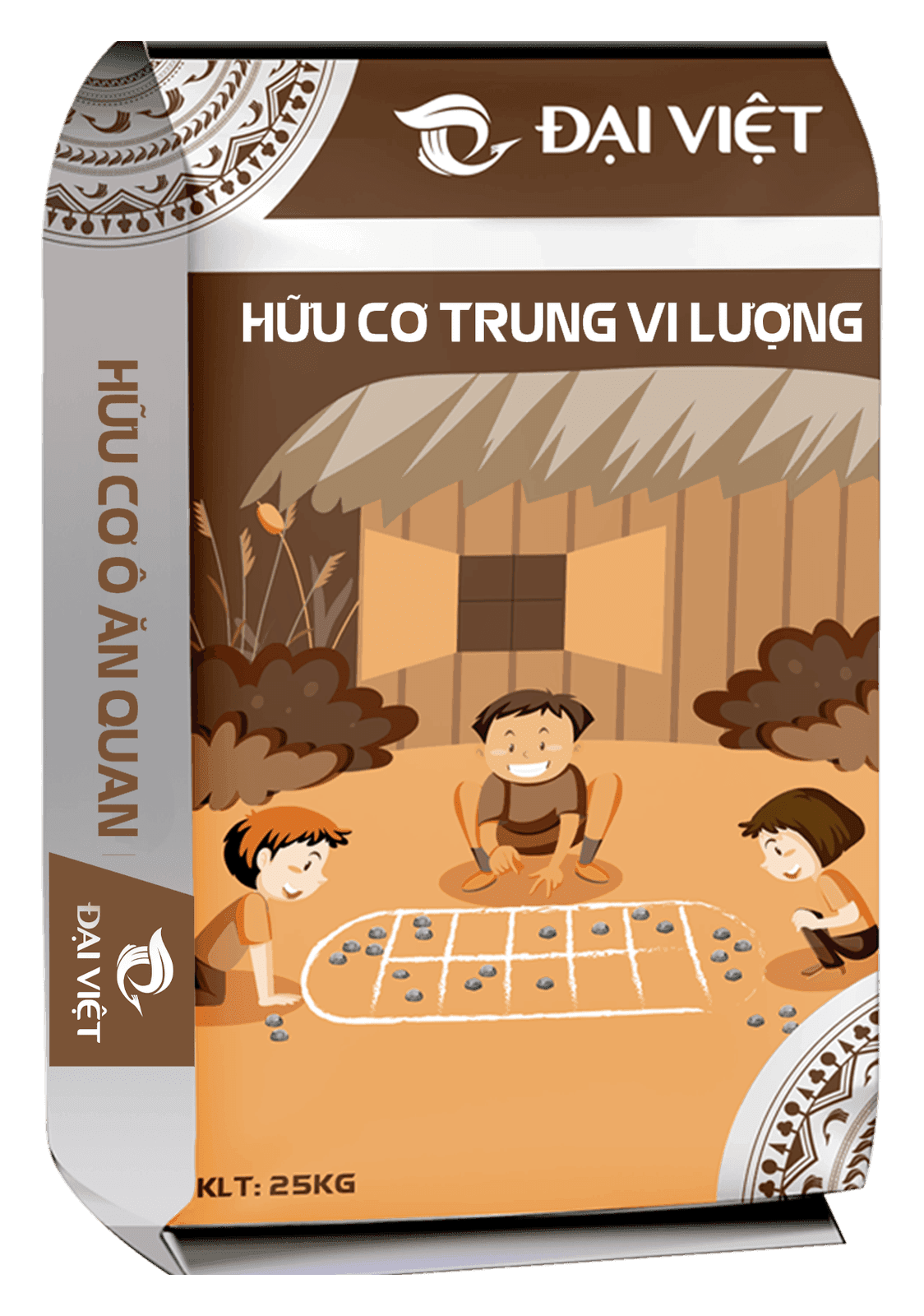
FUJOR TVL
Mandarin Square
25 kg
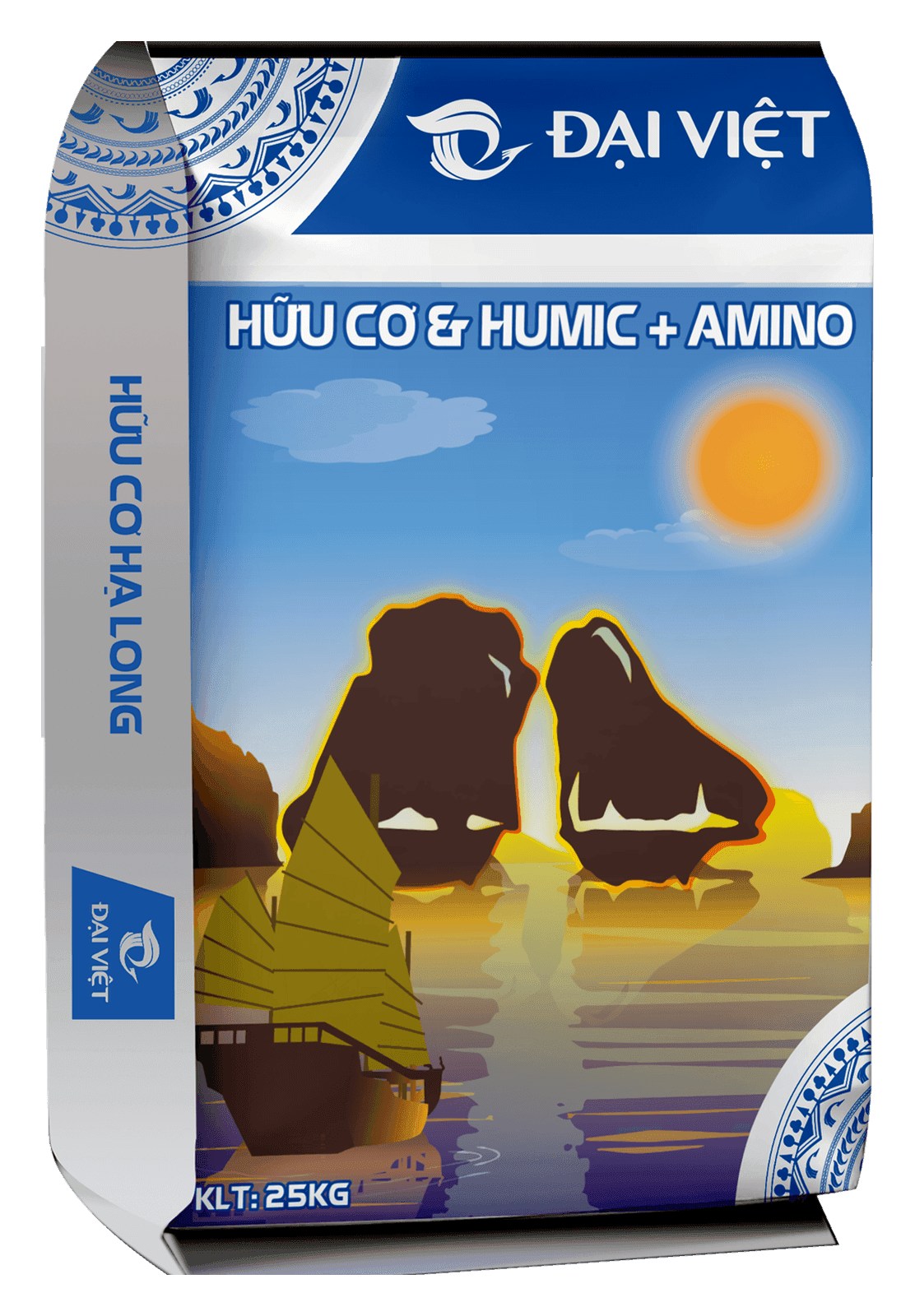
KOROR Humic & Amino
Ha Long
25 kg
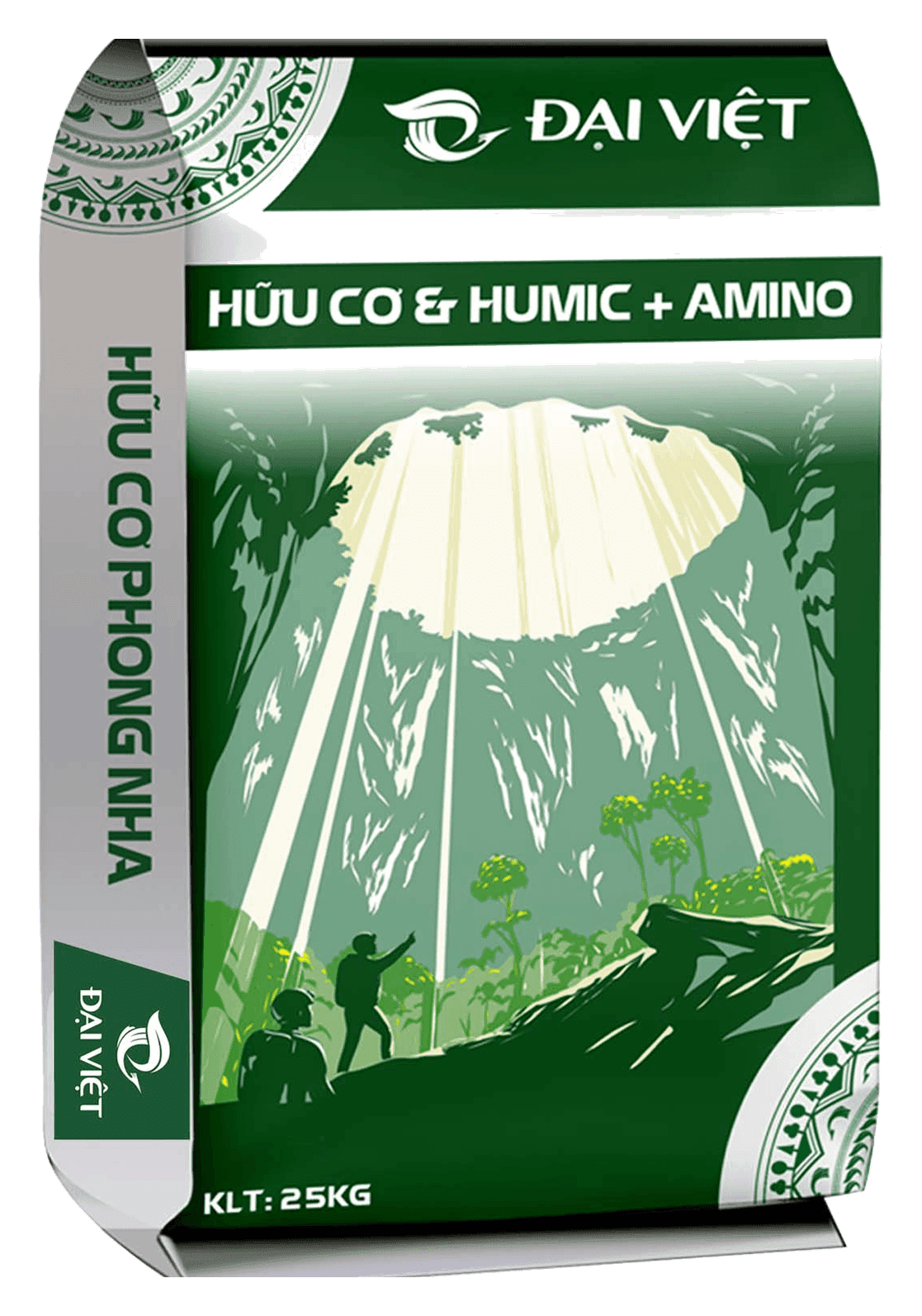
KOROR Humic & Amino
Phong Nha
25 kg
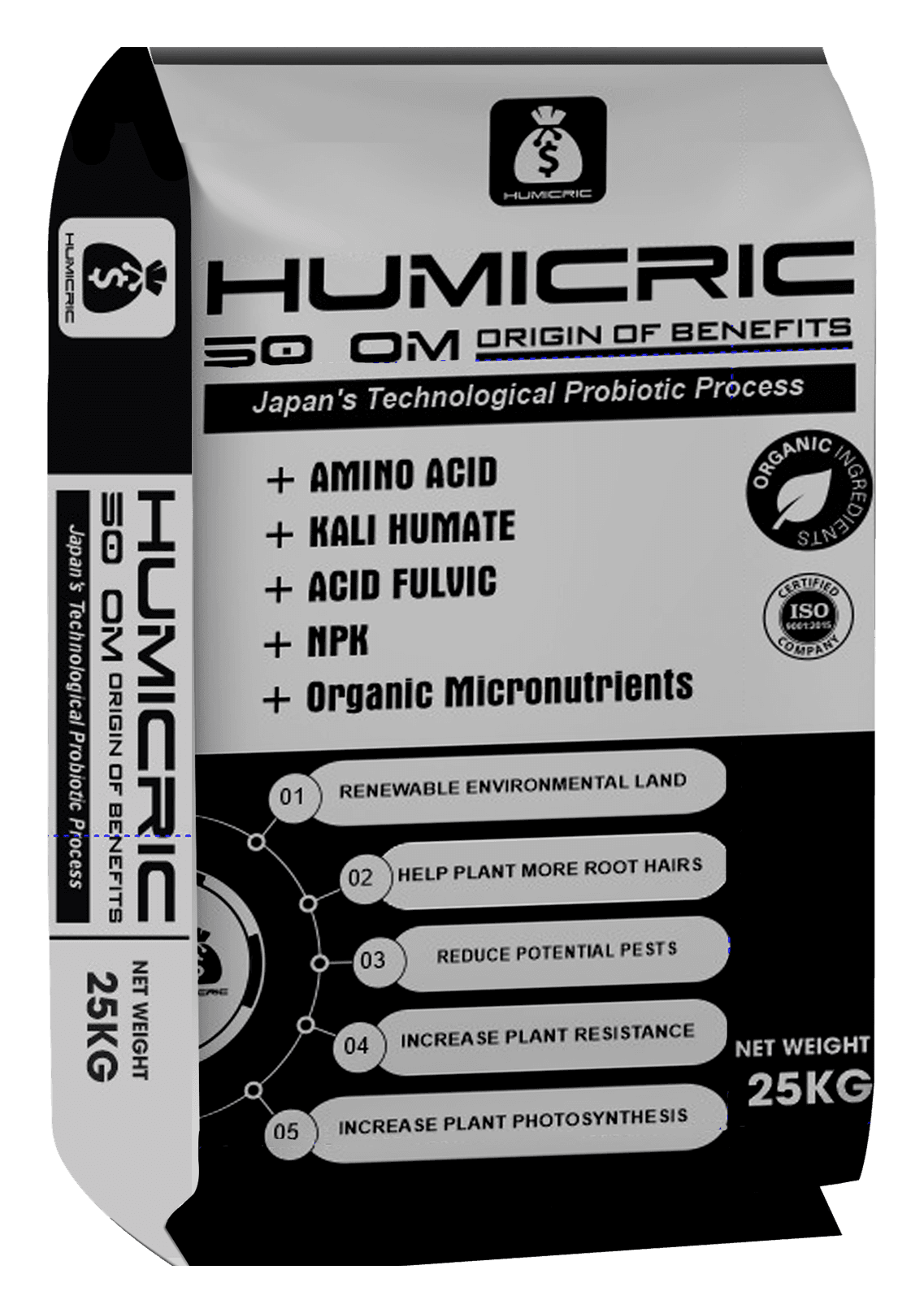
HUMICRIC
25 kg
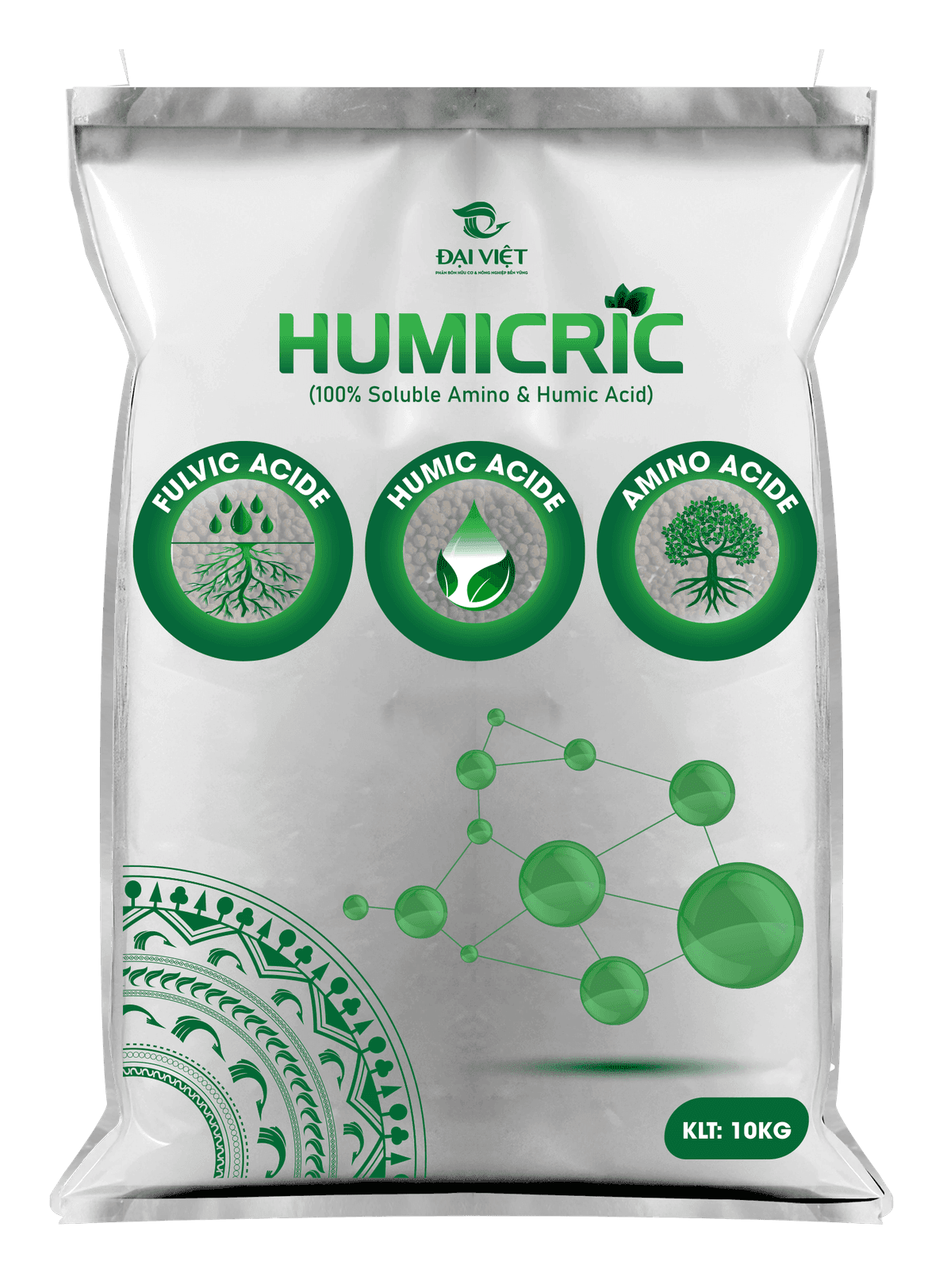
HUMICRIC
10 kg
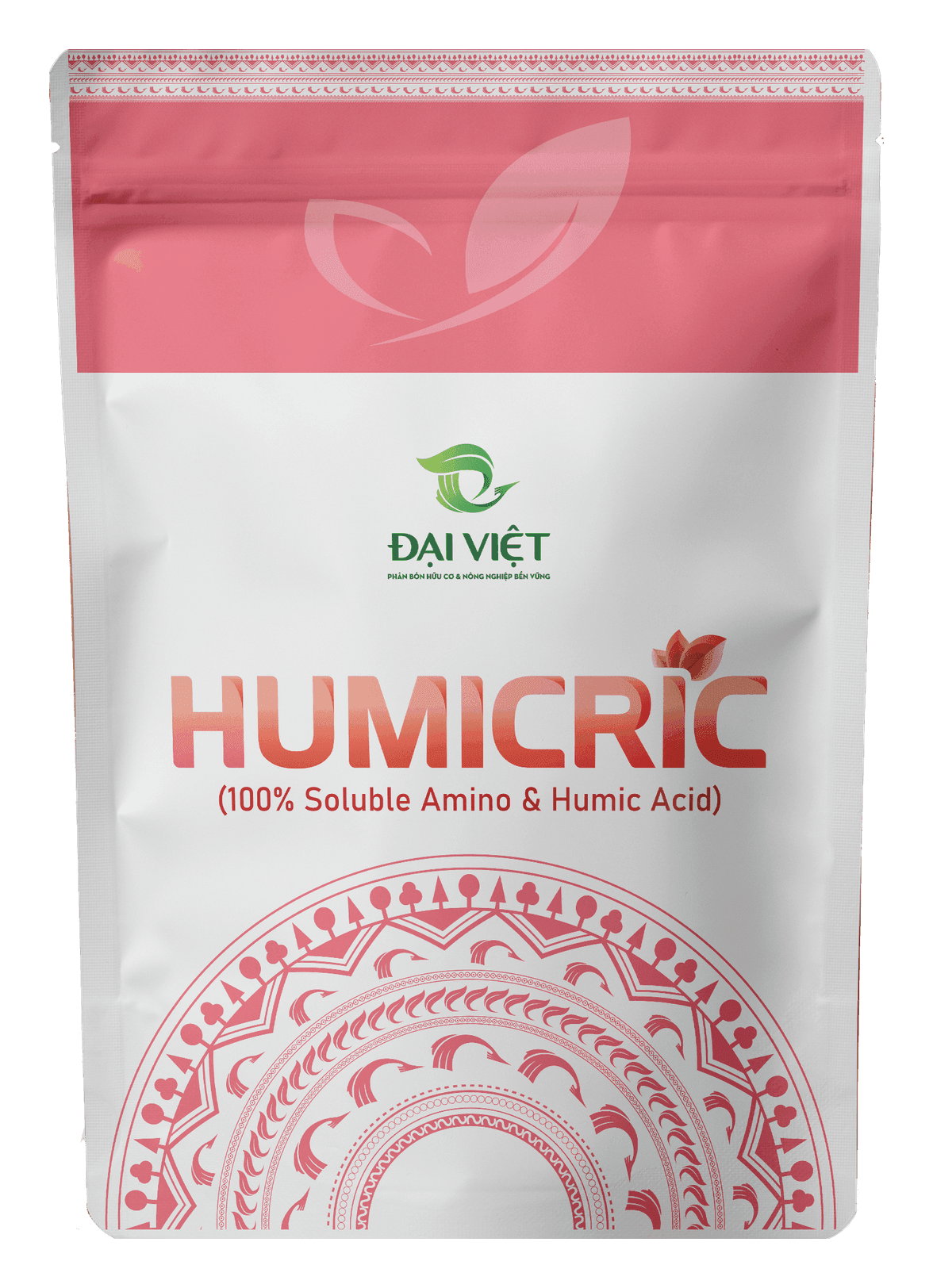
HUMICRIC
1 kg
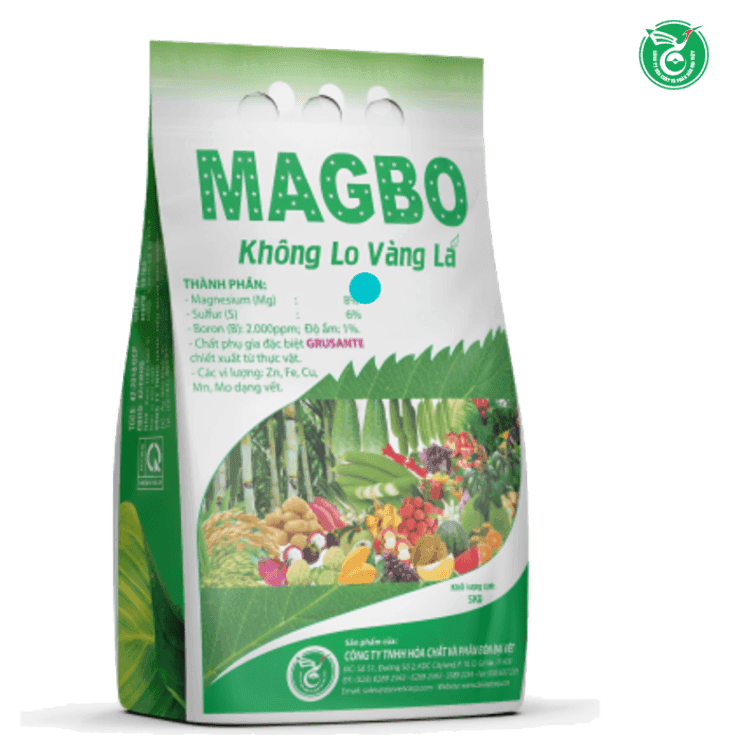
MAGBO
5 kg
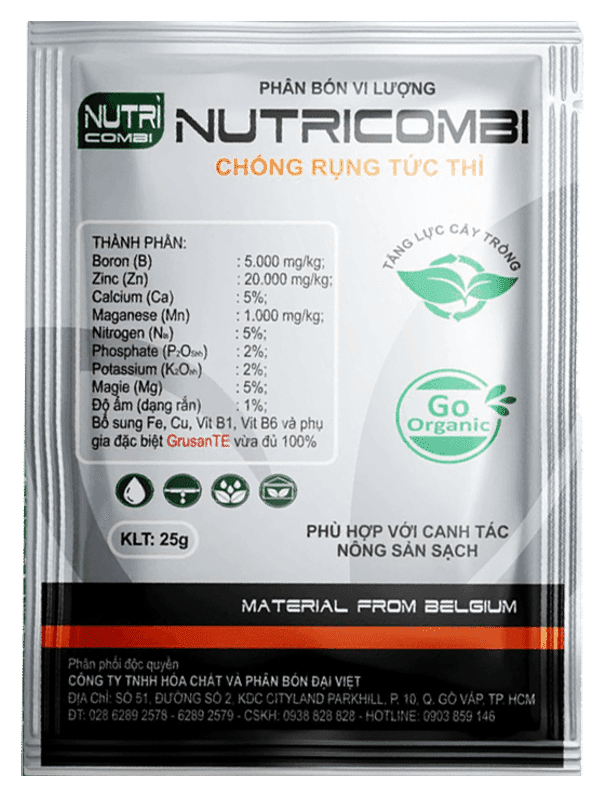
NUTRICOMBI
1 kg
65 to 78 per cent — what the figure counts
Organic matter is the share of the bag that was once plant, manure or crop residue — the part that feeds soil biology rather than merely supplying mineral salts for one season. A bag marked 65% is 65% that material by weight; the remainder is moisture and the minerals that come with it.
Within the organic group only the pelletised lines declare this figure on the label. The herbal blends made in Vietnam and the other two groups run on a different axis — concentrated humic and foliar micronutrients — so there is no comparable number to quote.
65%
LIEGE
68%
BIOLAND
75%
TENAXOR
78%
KOROR
Recommended rates
Rates printed on the back of the bag. Apply on moist soil so the roots can take up the organic matter.
Durian, avocado, jackfruit
- Application stage
- Post-harvest recovery
- Rate
- 3–5 kg per tree
- Frequency
- Twice a year
Coffee, pepper
- Application stage
- Start of rainy season
- Rate
- 1–2 kg per plant
- Frequency
- 2–3 times a year
Citrus
- Application stage
- Before flowering
- Rate
- 2–3 kg per tree
- Frequency
- Three times a year
Rice
- Application stage
- Basal before sowing
- Rate
- 200–300 kg per hectare
- Frequency
- Every crop cycle
Vegetables, melon
- Application stage
- Basal and 15 days after planting
- Rate
- 100–150 kg per 1,000 m²
- Frequency
- Every crop cycle
Not sure this is the right bag for your orchard?
Send your soil analysis and an agronomist will read it against your crop group and growth stage before recommending a line.